This page has a long list of points. Dont read it all at once if that would be overwhelming for you.
This information can be useful for people with lots of clutter too.
Some key points are in bold and italics.
There are measures that can sometimes be done without removing things. They are marked with *. But its always best overall to get things out of the house.
The biggest risks are falls and fire. Sometimes the same advice applies to both.
This page is then split into:more about fire, falls, injuries,faulty electrical or gas equipment. There are other risks that matter, but are not so crucial: mice and rats, hygiene.
Have a (charged) phone or personal alarm easy to reach
GW Hoarding Response organisation has a ‘resources and support’ page which includes a 10 steps to safety video developed with experts.
Falls and fire
Dont put off getting help because you dont want people in your house. They wont judge you. Their focus is you, not your clutter.
The biggest risks are falls and fire. Sometimes the same advice applies to both.
- Have a wide clutter-free route from all areas to all exits. 3 foot/1 meter wide recommended. If you use a mobility aid, it needs to be wide enough to use that. Make and practice an escape route and keep it clear. It also makes it easier for emergency service staff to reach you.
- Exit doors need to be able to open fully to allow emergency workers to bring in equipment.
- Dont have things heaped up enough to risk toppling over, blocking pathways or causing injury to you or a firefighter.
Everything needs to be on a stable surface.
Make sure everywhere is well lit. Consider leaving a light on overnight.*
Fire, in addition to the points above

If there is a fire, Get Out – Stay Out – Call 999. Dont try to put it out yourself. Dont try to collect things. Dont go back inside when you have escaped.*
Fire can spread more easily, and smoke fill a house much faster, in a hoarded home. People who hoard are more likely to die in a fire. It is harder to leave the home, or to be found and rescued.
You are putting other people in danger– firefighters have to come into the house. The fire can also be a threat to your neighbours and their homes.
- Dont have anything that can catch fire anywhere near a heat source, like a heater, cooker, iron, candle or lit cigarette. Paper is particularly flammable, and makes a fire spread rapidly.
- Make it a priority to keep the cooking area clear.
- Make sure that you have a working smoke alarm on every floor, and test them regularly.*
- Smoke outside if possible. Dont leave a lit cigarette unattended, and be sure to put it out.Put ashtrays on a flat, stable surface. Dont smoke in bed*
- Safest not to use candles/tea lights. If you do, put them in holders on a flat, stable, heat-resistant surface. Dont leave them unattended.
- Dont charge devices overnight or when you arent in the house.*
- Dont use faulty gas or electrical equipment.
- Extension cords should not be used permanently. Dont have them under carpets, or across floors. Worn cables can cause fires.
- Clear clutter near doors so that you can shut them.
- Dont store gas cylinders in your home- they are a serious fire risk.
All points here are from Fire and Rescue brigade websites. They have more fire prevention information. For example:
Fire Safety Tips, Helping hoarders reduce the risk of fire.
London Fire Brigade has a Home Fire Safety Tour that you can do
Fire brigades do free fire safety visits or advice by post. You may need to do an online home fire safety check .You are likely to be offered a visit if you hoard. They forward results to your local service.
Visits aren’t compulsory. They give advice, put up free smoke alarms,and add to their database that its a hoarded house, so they send more resources. They have no power to make you declutter, though they may refer you to social services.
Google’ fire safe and well, then where you live. For example fire safe and well york.
Falls In addition to all the points above

This could be falling to the floor or falling into clutter.
- Be aware of your surroundings *
- Dont rush*
- Wear well-fitting shoes that dont have a smooth sole.
- Fix plumbing problems to avoid pools of water on the floor.
- Mop up any spillages immediately*
- Remove clutter, trailing wires and frayed carpet
- Dont have anything on the stairs.
- Removing rugs and mats is safest. If you use them, look for non-slip ones.
- Dont walk on slippery floors in socks or tights.*
- Dont wear loose-fiting, trailing clothes that might trip you up.*
- Organise your home so that climbing, stretching and bending are minimised, and dont bump into things.
- Dont have things high up if possible. If you do, be careful what you stand on to get things from a higher shelf. It needs to be something strong and stable. A slip-resistant step stool is best.
- Talk to your GP if your medicines are making you unsteady or you are having to rush to the toilet.*
- Get your eyes tested regularly and always wear glasses when moving around*.
There are fall prevention services in some areas, usually for people over 65. It may be organised by the NHS or by your local council.
Some of this information came from NHS falls prevention site, and AgeUK fall prevention. There is lots more on their sites. Written for older people, but some applies to a hoarder of any age.
Injuries

Sharp objects, particularly broken glass, need to be picked up very carefully and thrown away.
Wearing shoes protects from cuts.
Only do risky things if you have to;
- Think through the safest way of doing something.*
- Dont hurry*
- Do it in daylight or well- lit.*
- Get help to do things you cant do safely on your own.That could be a friend, or pay someone, if you can afford it.*
- Have someone around. Its your choice if you want them to help, or just to be there. Be clear.*
- Have a (charged) phone or personal alarm with you. Its worth buying a cheap phone for this.*
If you get injured
Dont put off getting help because you dont want people in your house. They wont judge you. Their focus is you, not your clutter.
Calling an ambulance
- Sit somewhere well- lit near the front door, if you can do that safely.
- If you cant open the door, paramedics need keys as they cant break in- they have to wait for the police. Tell the call handler the code if you have a key safe, or if a close neighbour has a copy of your keys.
Mice and rats

Danger for health and the house, particularly rats. There is an increased risk of them staying in in hoarded homes. Its harder to clean, provides lots of nesting material and may contain food.
Rat prevention tips: Mice prevention tips They can get in even through small gaps- pencil size for mice! There are various traps. and other products.
re a few tips to keep in mind to keep mice away:
- Check in and around your home for any areas where mice can get in. Keep in mind that these critters can squeeze in through cracks as small as a quarter of an inch.
- Fill any holes with steel wool, wire mesh, or quick-drying cement. It needs to be strong.
- Wipe down counters, vacuum and sweep regularly to dispose of any crumbs.
- Store food and pet food in containers.
Poison can be very harmful to people and pets as well. It must be well clear of food. Dont scatter pellets on the floor. Write down where they are. More information from a Poisons Centre.
Pest control services for rodents
They have stronger poison than people can buy, and can help with prevention, such as filling gaps rodents can use.
Check what your Council offers; how much and how quickly. Otherwise, private (more expensive) They may not be willing to come to a hoarded house, so check first. They cant do the job properly as they need to check for places that the rodents get in, and block them.And mice like to use clutter as a nesting space.
There may be a safety risk if a major problem, such as with a boiler, isnt repaired.This can be due to not letting a repair person repair can’t be done and/or if there is too much clutter in the way.
Hygiene
Some people who hoard dont have a problem with this.
Its hard to keep a hoarded home clean, which can make it a health risk. Babies and young chilldren, older people and those with breathing problems are at particular risk.
Mould, dust and bacteria can cause nose, lung, skin and stomach problems.
Keep things clean- your home, your food,your cloths and bedding, yourself, to reduce the risk of those.
Plumbing that’s working is essential, including hot water. A priority to fix the boiler if its not working. You will need to clear an easy route from the front door to the boiler, the area about it, and the sink.
Your home
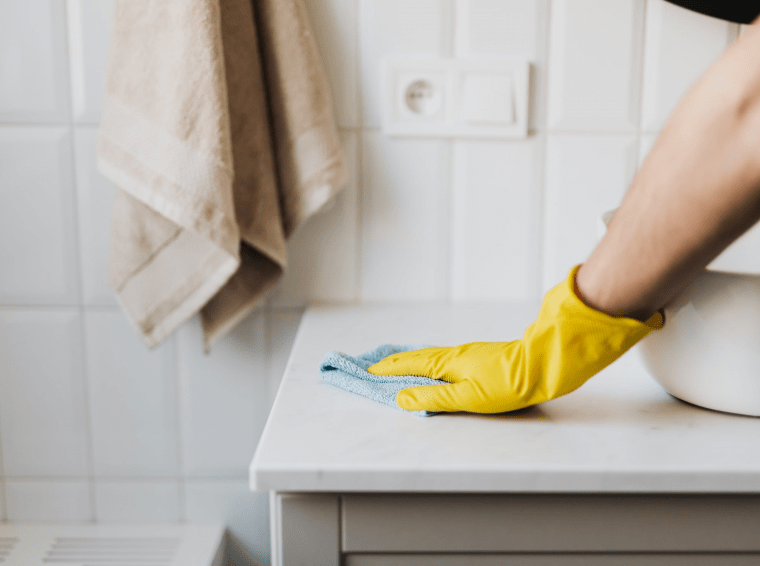
Its hard to keep a hoarded home clean which can make it a health risk.Mould, dust and bacteria can cause health problems. Babies and young chilldren, older people and those with breathing problems are at particular risk. Meet visitors outside the home. It s a risk to animals too.
The priorities are the kitchen and bathroom. Work out what suits you best- a little and often; a schedule?
Bin all rubbish regularly, particularly food and pet waste.
Food

Everything involved with food needs to be clean; storage, cooking and eating. Wash your hands first.
Wash up daily, not just before you need plates or cutlery. Its easier to wash things that dont have caked food on them. That can also attract flies.
Dont eat anything that is older than the ‘use by’ date, or going off or mouldy. Check regularly.
You need a fridge that works. Don’t buy more fresh food than fits in. Clean it regularly.*
Yourself
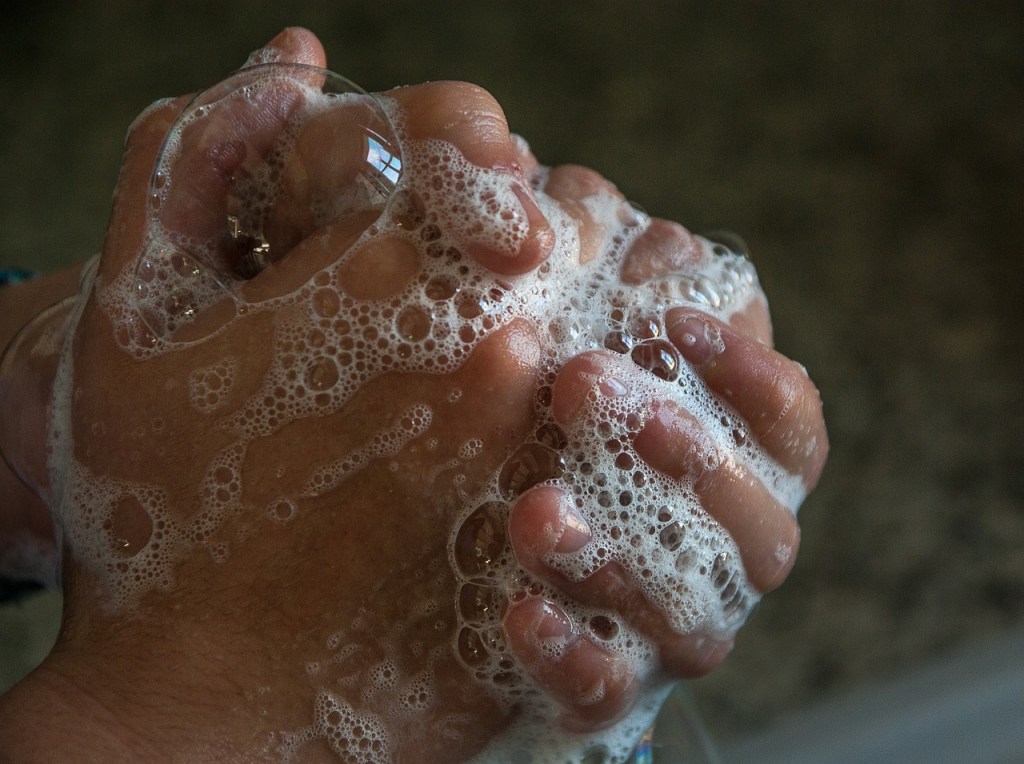
Wash your hands, including before preparing food and after using the toilet.
Prioritise decluttering in the bathroom so that you can use it. Dont store clutter in the sink, bath/shower
Its hard to wash properly at a sink. If you have to,use plenty of hot water. Wash the facecloth or sponge regularly.
Wash clothes, towels,tea towels and bedding regularly. If you cant use a washing machine, check if there is a laundrette nearby.
Pets
You are in charge of their welfare. Some people who hoard dont provide what the pet needs. They may not recognise that they arent.
They need to have a safe,clean,comfortable home. That includes giving them enough fresh food and water in clean bowls.
Litterboxes need to be emptied often, and cages cleaned. Those should be well away from human food.
Dogs need to be bathed regularly, and taken out for walks for exercise and toileting.
This is a new site being developed. Feedback welcome! contact form.
 Hoarding disorder references